Table of Contents
What Is Actually Different Between Single and Double Glazing?
Single glazing uses one pane of glass in a frame. There is very little between the inside of your home and the outside temperature except the glass itself.
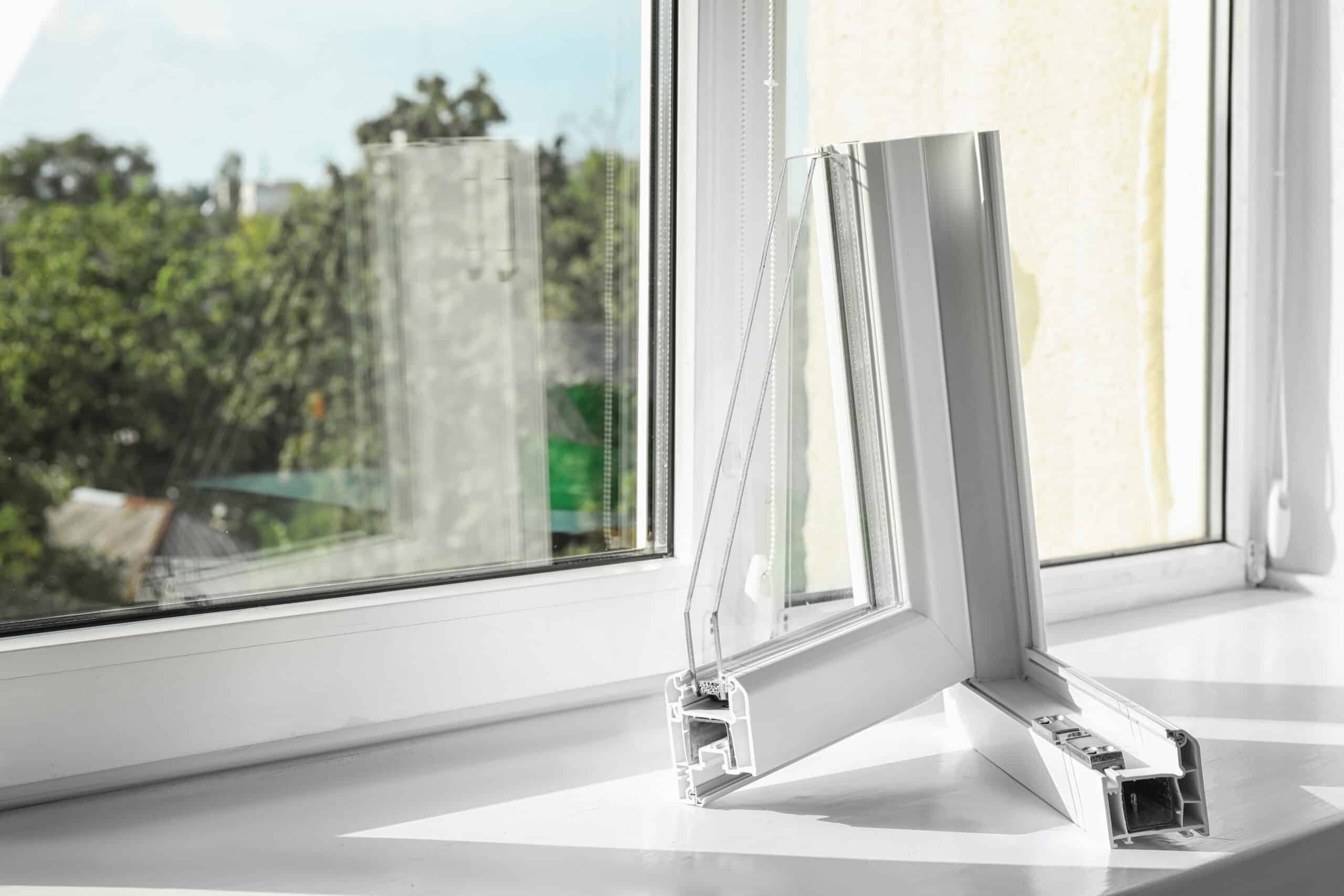
Double glazing uses two panes of glass separated by a sealed gap, typically filled with air or an inert gas such as argon. This gap helps slow the transfer of heat between the inside and outside of your home.
The structural difference is simple, but the practical impact on comfort, insulation and overall window performance can be significant.
How Single Glazing Affects Your Home Day to Day
Many older Melbourne homes still have single-glazed windows. In everyday use, this can mean:
- Rooms near large windows feel colder in winter & warmer in summer
- Condensation may form on the inside of glass during cooler months
- Heating and cooling systems may need to work harder to maintain comfort
- Street noise, traffic and neighbourhood sounds may be more noticeable
- Draughts around older frames and seals may become more common over time
The Australian Government’s Your Home guide puts a number on it: windows and glazing account for up to 40% of a home’s heating energy loss in winter. That’s a significant share going out through the glass before the rest of the house has a chance to stay warm. In summer the problem runs the other way, with glazing pulling in heat that the cooling system then has to work against. Getting the glazing right makes a measurable difference to both.
Thinking about upgrading your windows?
Contact our Melbourne team for a free measure and consultation. We will walk you through suitable double-glazing options and check whether your project may be eligible under the relevant VEU program guidelines.
What Double Glazing Changes
Double-glazed windows can improve your home across several areas at once.
- Thermal comfort
The insulating gap between the panes helps reduce heat transfer, helping rooms feel warmer in winter and cooler in summer, while supporting more consistent indoor comfort. - Condensation reduction
Because the inner pane is less exposed to outside temperature changes, double glazing can help reduce condensation on the inside of windows during cooler months. - Acoustic performance
Double-pane construction can help reduce external noise. This is especially useful for Melbourne homes near main roads, tram routes, busy streets or flight paths. - Energy efficiency
Melbourne’s weather is famous for being host to up to four seasons in the same day. Double-glazed doors and windows can support a more energy-efficient living space in this city by helping reduce both heat loss and heat gain through windows. Actual energy outcomes will vary depending on the type of the property, window orientation, product selection, installation quality and the existing heating and cooling use. - Draught reduction
Modern double-glazed window systems are typically designed with improved seals and better frame performance – helping reduce the air leakage often found in older window installations.
Single vs Double Glazing: Side by Side
| Feature | Single Glazing | Double Glazing |
|---|---|---|
| Thermal insulation | Low | Significantly higher |
| Condensation | More common in winter | Can be greatly reduced |
| Noise reduction | Limited | Noticeably improved |
| Energy efficiency | Lower performance | Stronger performance |
| Draught performance | Often affected by older frames and seals | Better with modern sealing |
| Lifespan | Varies by age and condition | Long-lasting with quality products and installation |
Why the Victorian Government Supports Energy-Efficient Upgrades
The Victorian Government introduced the VEU program to help reduce energy use and greenhouse gas emissions across households and businesses.
The logic behind the program is straightforward. Homes that are harder to heat and cool generally use more energy to stay comfortable. Better-performing products, including eligible window glazing upgrades, can help reduce that demand when selected and installed correctly.
The VEU program includes window glazing as one eligible upgrade category. However, eligibility, approved products, program rules & available support can change over time, so homeowners should always check current requirements before proceeding.
Rather than viewing the program as a guaranteed rebate or fixed discount, it is better to treat it as a potential support pathway for eligible projects.
Want to know if your property may qualify?
Accent Windows can assess your home, explain suitable product options and support you through the VEU application process where your project may be eligible.
What the VEU Program May Support
Under the Victorian Energy Upgrades program, eligible Victorian homeowners, landlords and businesses may be able to access support when replacing single-glazed windows with approved double-glazed products, subject to the relevant VEU program guidelines.
A few important points:
- Eligibility is assessed under the relevant VEU program guidelines and can vary depending on the product, property type, scope of works and customer circumstances.
- The rebate is not automatic. Eligible customers may receive a rebate following project completion, payment and approval by the VEU program.
- Only approved products listed under the relevant VEU requirements may qualify.
- The installation and application process must meet VEU program requirements.
- Rental properties may also be eligible under certain conditions.
Accent Windows will facilitate the application process on the customer’s behalf where applicable. Rebate outcomes are not guaranteed, as eligibility and approval are assessed under the VEU program.
What Accent Windows can do is help make sure your project is approached correctly from the start, with suitable product guidance, clear documentation and support through the application process.

Conclusion
The difference between single and double-glazed windows is not just about the type of glass that goes into the doors and windows. It is about comfort, insulation, acoustic performance, energy efficiency and the long-term performance of your home.
For Melbourne homeowners with older properties with single-glazed windows, upgrading to double glazing can help improve how a home feels throughout the year. The VEU program may provide support for eligible projects, but the outcomes depend on the relevant program guidelines, approved products used in the project, upgrade-specific project details and the overall approval process post-installation.
With more than 45 years of experience manufacturing aluminium windows and doors in Melbourne, Accent Windows helps homeowners choose window solutions designed for long-term comfort, efficiency and performance.